Most companies discover campus hiring in the month they need headcount. They arrive on campus in placement season, compete with better-known brands for the same forty students, lose the top ten to higher offers, and conclude that campus hiring does not work for them. The problem was never the campus. It was the timing.
Placement season is a closing stage, not a sourcing stage
By the time final placements begin, students have already formed opinions about which companies are aspirational. Those opinions were built in the previous two years - through workshops, competitions, guest sessions and internships. A brand that shows up only at the end is bidding on a decision that has already been shaped by someone else.
The pipeline in four layers
- Awareness (year 1-2). Sponsor or speak at student festivals and skill summits. Cheap, wide, and it plants your name before competition begins.
- Interaction (year 2-3). Run a case competition or a live problem statement. You get a work sample from hundreds of students, and they get a reason to care about you.
- Trial (year 3). Internships and short live projects. This is your highest-signal filter - six weeks of observed work beats any interview.
- Conversion (final year). Pre-placement offers to interns you already trust, plus a smaller, cheaper campus drive for the remaining roles.
Companies that run all four layers consistently report a lower cost per offer and dramatically better one-year retention, because both sides knew what they were signing up for.
Why student festivals and fairs outperform ads
Employer branding on a job portal reaches students who are already searching. Presence at a student festival reaches them while they are forming preferences, in a context they enjoy, alongside their peers. Recall built in that setting is emotional, not transactional - and it is what makes a student open your email eighteen months later.
Look beyond the metro shortlist
The most under-priced talent in India sits in tier-2 and tier-3 institutions where fewer recruiters visit. Offer acceptance rates are higher, salary expectations are realistic, and retention is stronger. The catch is that you cannot discover this talent from a spreadsheet - you have to be physically present in those cities, which is exactly what regional event circuits enable.
Five metrics worth tracking
- Cost per offer accepted (not cost per drive)
- Offer-to-join ratio
- Intern-to-full-time conversion rate
- Twelve-month retention of campus hires
- Unprompted brand recall in your target institutions
Start small, start early
Pick five institutions. Commit to three touchpoints a year for two years. Measure the five metrics above. That is a functioning pipeline - and it costs less than one panicked placement-season campaign.
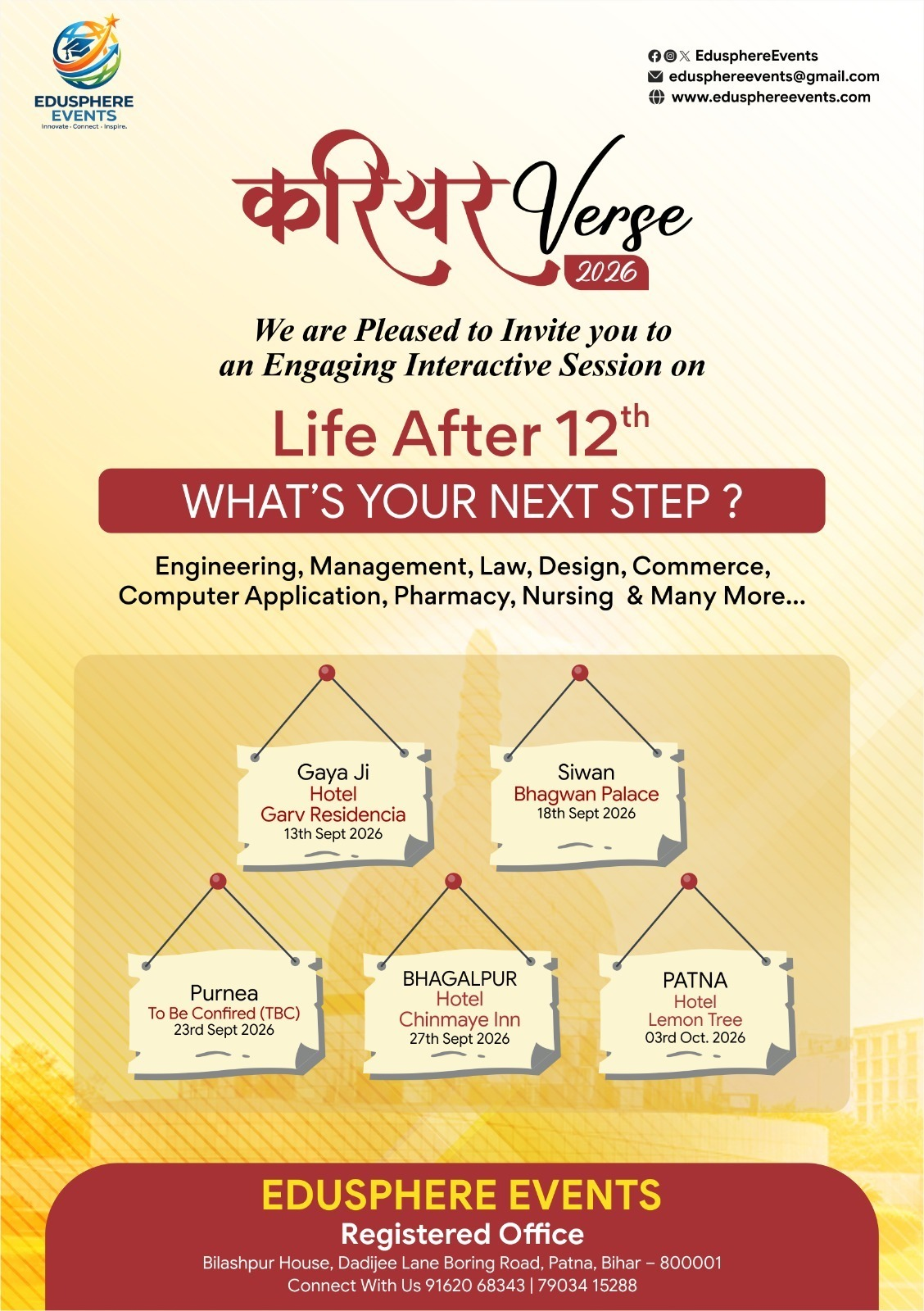
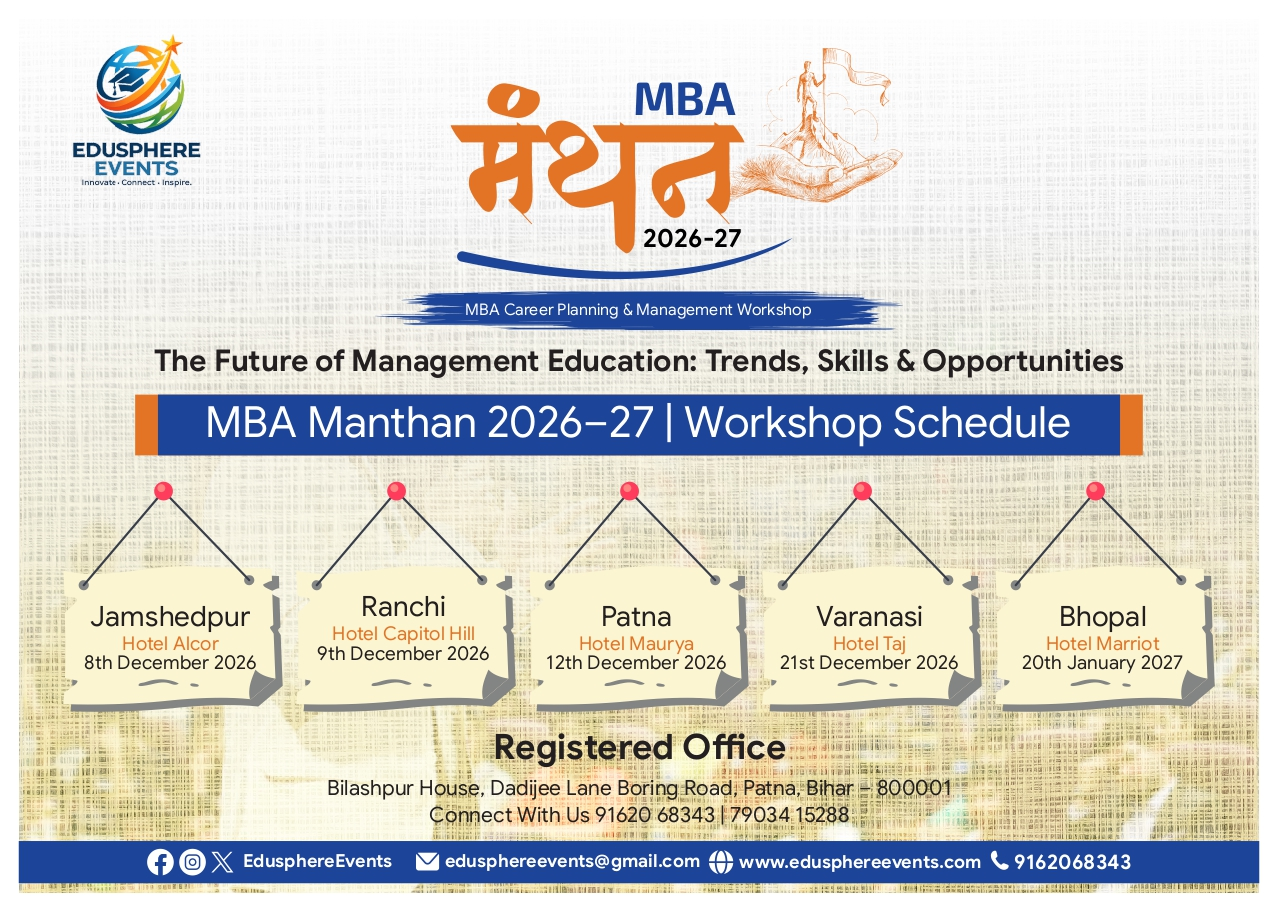
Edusphere Events connects corporates with students through career fairs, festivals and industry connect sessions across India. See our For Corporates page to explore partnership formats.