Student engagement is often treated as a culture problem. In practice it is a calendar problem. Campuses where students are visibly involved are almost always campuses with a predictable rhythm of events that lead somewhere. Here are five formats that reliably work, and what to measure for each.
1. Industry interaction sessions - monthly, not annual
One convocation-style guest lecture a year changes nothing. A monthly ninety-minute session with a working professional - not a CEO, a person three to eight years into the job your students want - changes how students talk about their own future. Keep it small enough that questions are possible.
Track: attendance as a share of eligible students, and number of student questions asked.
2. Skill summits co-branded with an external partner
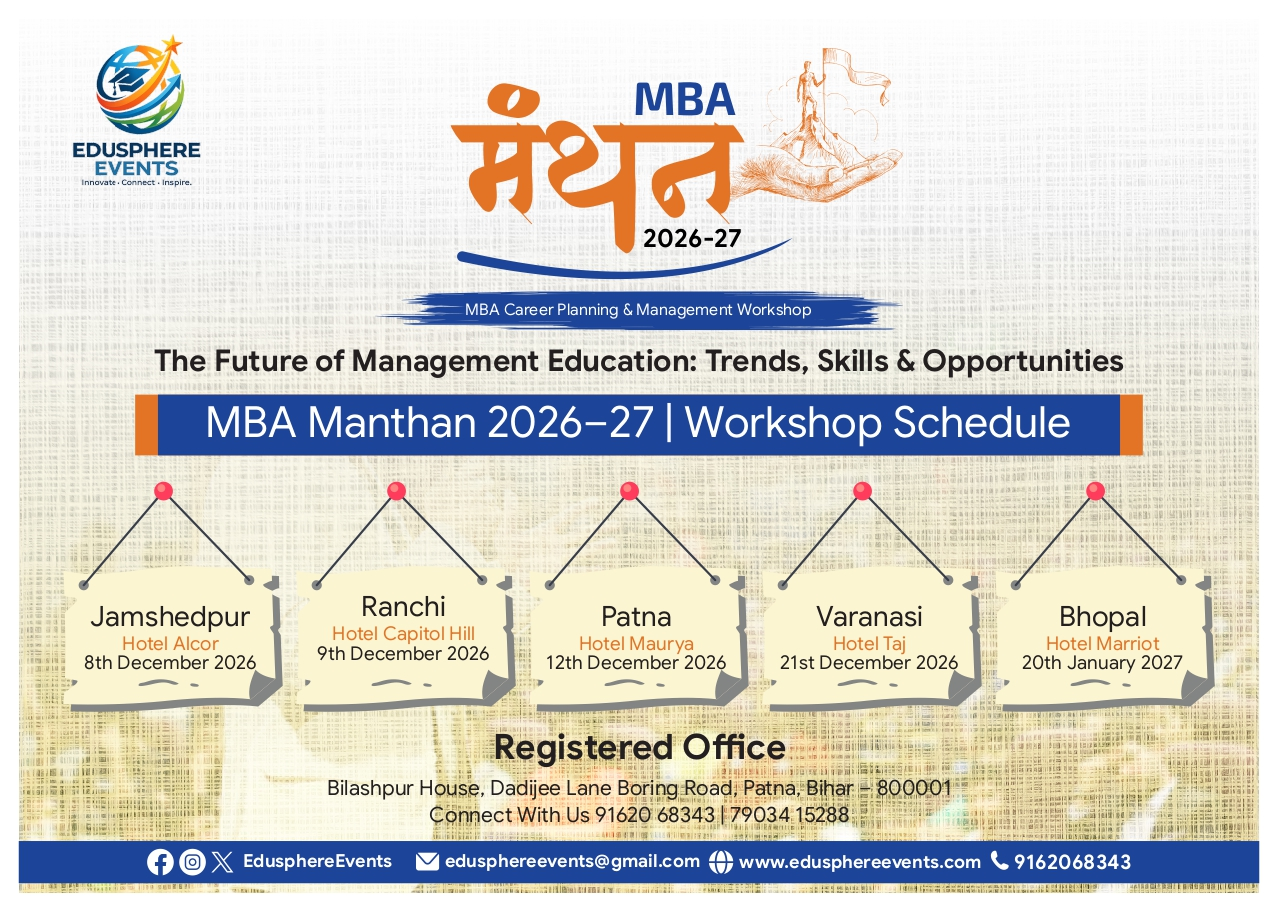
Internal workshops suffer from low perceived value. The same content delivered under a co-branded summit banner, with an external certificate, fills the hall. Pick two skills your placement team keeps flagging as gaps - usually communication and spreadsheet or data fluency - and run them as intensive one-day summits.
Track: completion rate, and pre-versus-post assessment scores.
3. Student-run competitions with real judges
A case competition, moot court, hackathon or design sprint judged by outside professionals produces something no internal exam does: a portfolio and a story. Hand over the operations to students and keep faculty on governance only.
Track: number of teams formed, repeat participation next cycle.
4. Structured alumni return days
Alumni engagement usually dies because it has no format. Give it one: four alumni per department per semester, thirty minutes each, one fixed question set - what you do now, how you got there, what you wish you had done in college, what you would hire for today. Record it and build an internal library.
Track: alumni contacts converted into internships or referrals.
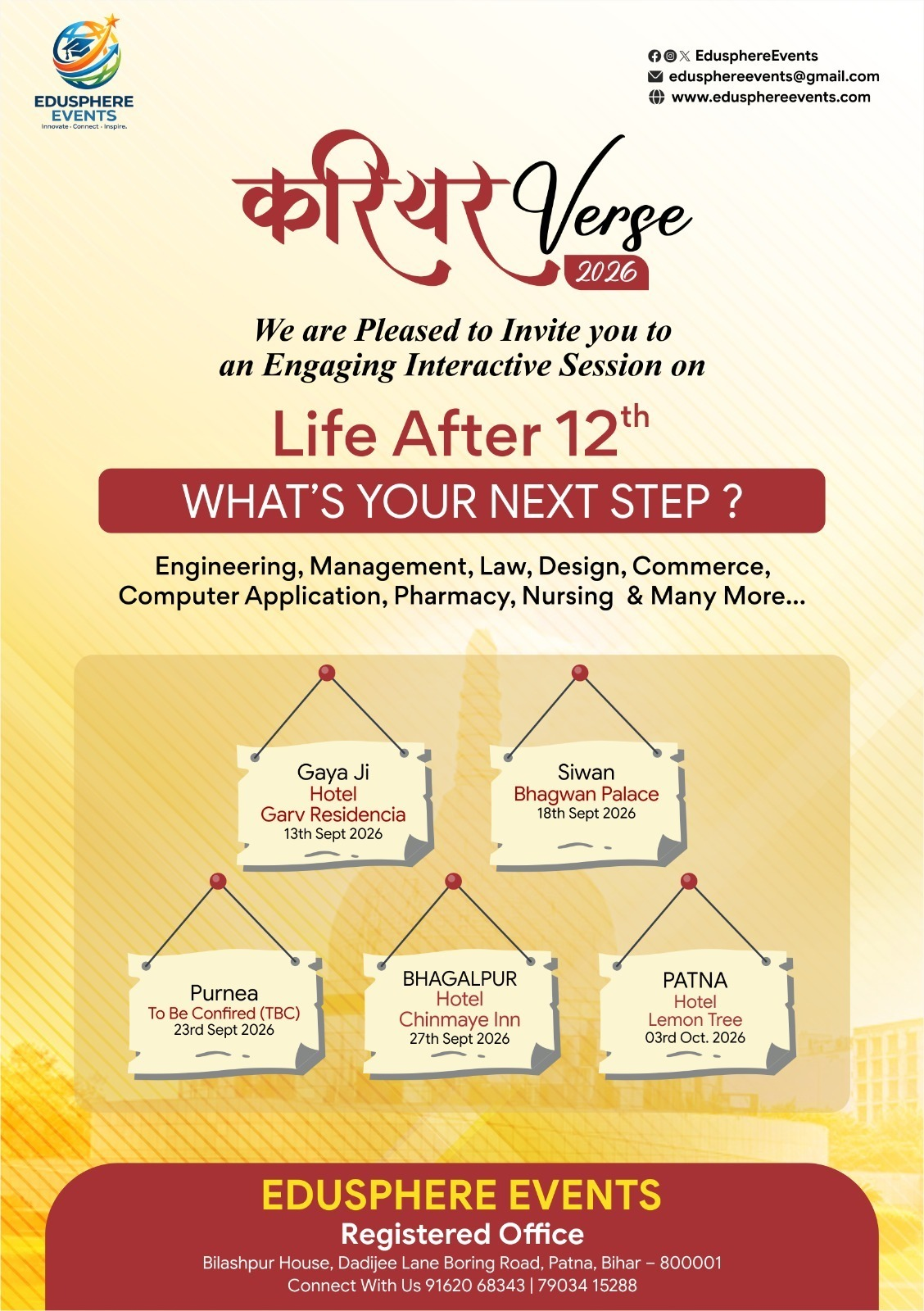
5. Outward-facing events that double as admissions outreach
The highest-leverage campus events are the ones outsiders attend. Hosting a career fair, a school-outreach day or a regional summit puts prospective students and their parents physically on your campus - which is worth more than any advertisement. It also gives current students visible responsibility as hosts and volunteers.
Track: external footfall, enquiry forms collected, and applications attributable to the event.
Make it a system, not a season
Publish a full-year engagement calendar before the semester begins. Assign one owner per event. Insist on a one-page post-event report with the metric above. Within two cycles, the pattern compounds: better attendance, better placements, better word of mouth in feeder schools.
Edusphere Events partners with institutions to design and run career fairs, skill summits and industry connect programmes end to end. See our For Institutions page to start a conversation.