Every year, lakhs of students finish Class 12 and are handed the biggest decision of their life with almost no training in how to make it. The pressure is immediate: relatives have opinions, coaching centres have deadlines, and social media has success stories that look nothing like your situation. This guide is designed to slow that noise down and give you a sequence you can actually follow.
1. Separate the three questions you are actually asking
Most career confusion is really three different questions tangled together:
- What subject do I want to study? (Engineering, Commerce, Law, Design, Pharmacy, Hotel Management...)
- What job do I eventually want? (Corporate, government, entrepreneurship, creative, research)
- Where and how will I study it? (City, budget, entrance exam, private vs government)
Answer them in that order. Students who jump straight to college names before understanding the subject almost always end up transferring, dropping a year, or finishing a degree they never use.
2. Audit your own evidence, not your feelings
Instead of asking yourself what you like, look at what you have already done. Which subject's homework did you finish first? Which topic do you explain to friends without effort? Which chapter did you re-read out of interest rather than fear? Three years of school behaviour is more honest data than a five-minute aptitude quiz.
Write down your top three subjects by that measure. Then write down the three you avoided. Both lists matter equally.
3. Test your interest against reality before you pay for it
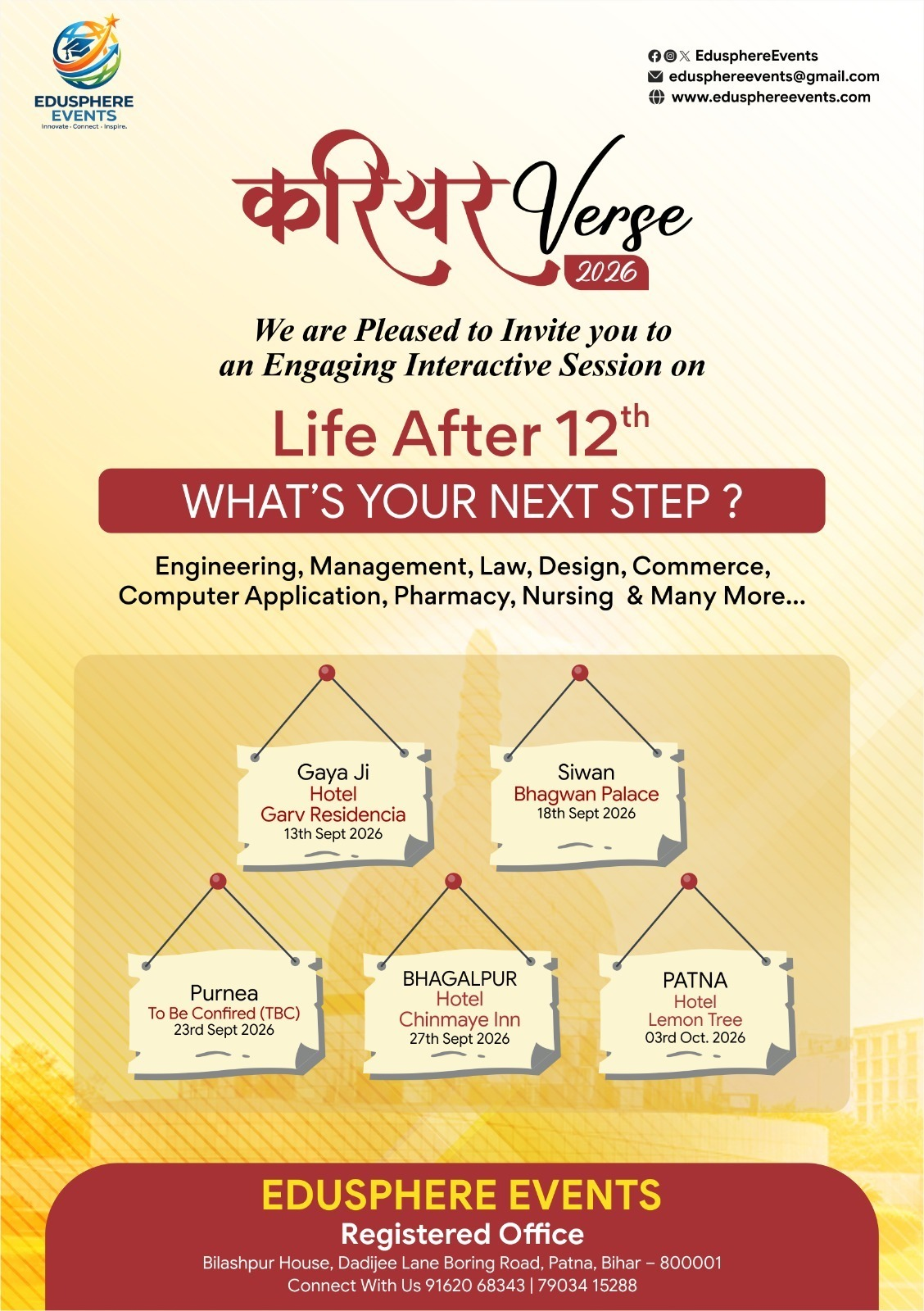
A career sounds very different from the inside. This is exactly why career fairs exist. In a single afternoon at an event like CareerVerse, you can talk to admission heads from engineering, management, law, design, commerce, pharmacy and nursing institutions - back to back, in the same hall, and ask the questions no brochure answers:
- What does a typical week in first year actually look like?
- What percentage of your last batch got placed, and in what roles?
- What is the total four-year cost including hostel and exams?
- What do students in this course usually struggle with?
Ten honest conversations will eliminate more wrong options than ten hours of scrolling.
4. Talk to someone three years ahead of you
Not a topper, not a celebrity - a normal student currently in the second or third year of the course you are considering. Ask what they would choose again and what they regret. This single conversation is the highest-value 20 minutes in the entire process, and it is free.
5. Build a shortlist of three, not one
Pick one ambition option (needs your best effort), one strong-fit option (matches your current performance), and one safe option you would still be genuinely okay with. Having three real options is what removes panic from result day.
6. Know the deadlines before you know the dream
Entrance exam registrations, counselling rounds and scholarship applications all close earlier than students expect. Build a simple calendar with exam dates, form deadlines and document requirements. A great plan missed by two days is not a plan.
The one belief worth carrying
Your first course is a direction, not a life sentence. Engineers move into management, commerce students move into law, designers move into product. What you cannot recover easily is two years spent on something you never examined honestly. Examine it now - ask, visit, verify - and then commit with confidence.
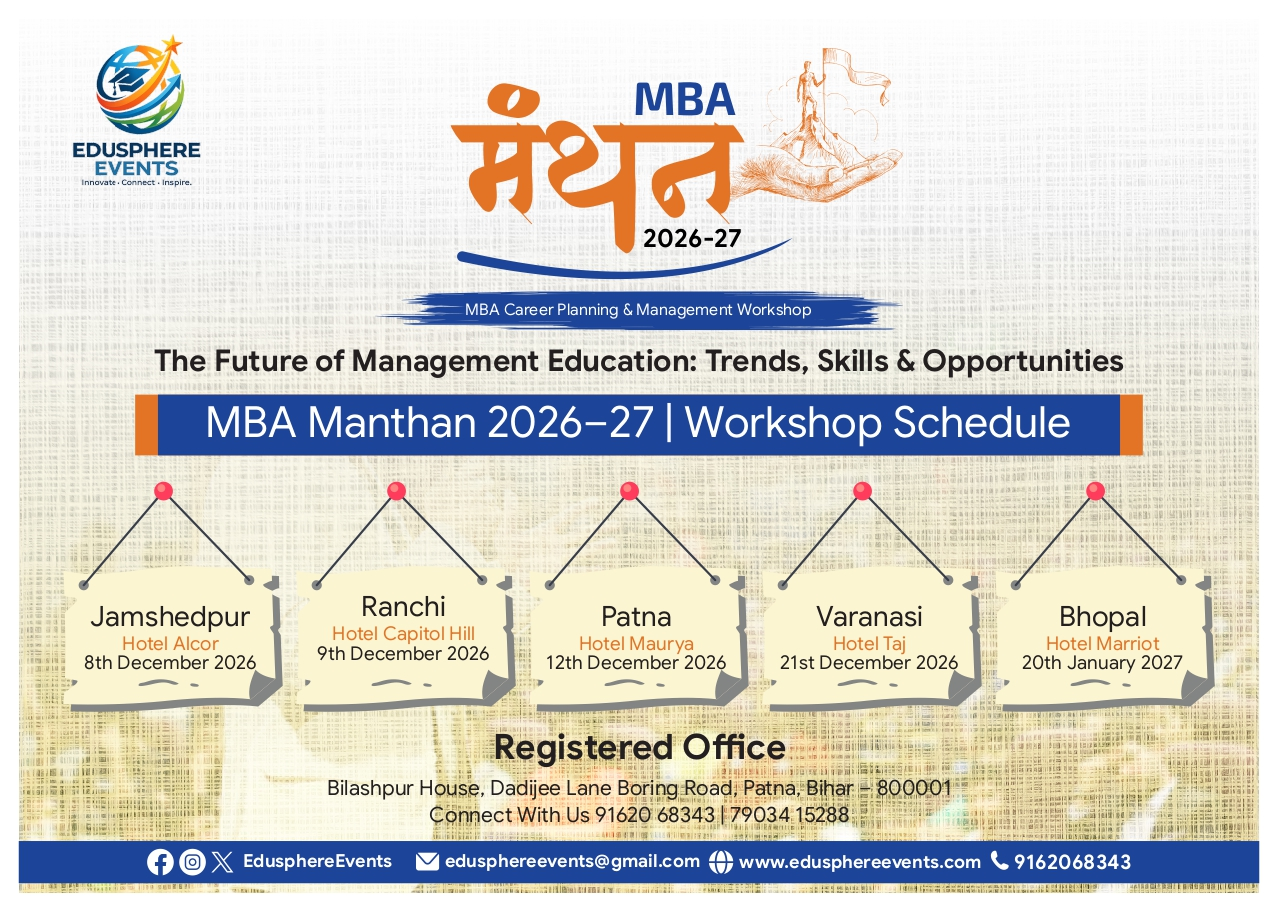
Edusphere Events runs career discovery fairs across Bihar, Jharkhand, UP and MP where students meet institutions, mentors and industry professionals face to face. Check our upcoming events to find a city near you.